
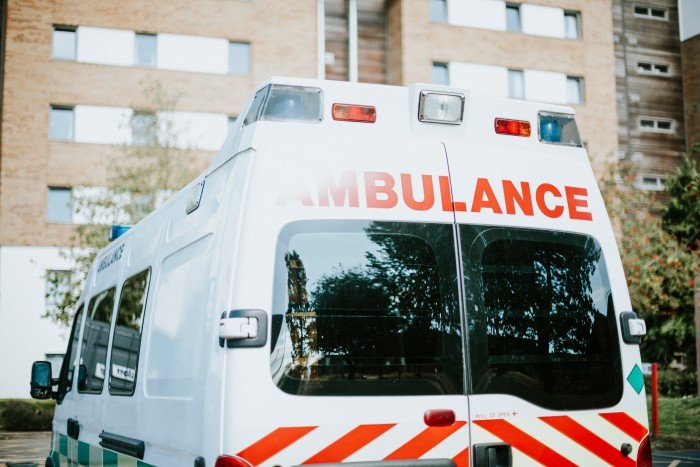
Medical emergencies can happen without warning. A sudden injury, severe chest discomfort, difficulty breathing, or loss of consciousness can leave families unsure about what to do next. In such situations, knowing when to seek urgent medical attention can save valuable time. An Emergency Care Hospital in Loni can provide immediate assessment and treatment when a medical problem cannot safely wait for a routine appointment. Understanding the warning signs of an emergency also helps patients avoid dangerous delays. While some symptoms may appear minor initially, they can sometimes indicate a serious underlying condition that needs prompt evaluation.
For more information, check here on WhatsApp.
You should visit Advika Multispeciality Hospital when symptoms are severe, sudden, rapidly worsening, or potentially life-threatening. Chest pain, breathing difficulty, unconsciousness, severe bleeding, stroke symptoms, serious injuries, seizures, and poisoning require urgent medical assessment. When in doubt, seek professional medical help rather than waiting for symptoms to improve.
What Is Considered a Medical Emergency?
A medical emergency is a situation that requires immediate assessment or treatment to protect a person’s life, health, or vital body functions.
Emergencies can result from accidents, infections, heart problems, neurological conditions, allergic reactions, poisoning, or other sudden illnesses. The seriousness is not always obvious, so professional evaluation remains important when symptoms are unusual or severe.
For example, mild stomach discomfort may not require emergency care. However, sudden severe abdominal pain accompanied by vomiting, fainting, fever, or weakness deserves prompt medical attention.
When Should You Visit an Emergency Care Hospital in Loni?
Knowing the common warning signs can help you make faster decisions.
1. Chest Pain or Pressure
Sudden chest pain, pressure, tightness, or discomfort can sometimes indicate a heart-related emergency. This becomes especially concerning when it occurs with:
- Shortness of breath
- Sweating
- Nausea or vomiting
- Dizziness or fainting
- Pain spreading to the arm, shoulder, back, neck, or jaw
Do not attempt to diagnose the cause at home. Seek urgent medical evaluation.
2. Difficulty Breathing
Severe breathlessness can occur due to asthma, allergic reactions, pneumonia, heart problems, or other conditions. If someone struggles to breathe, develops bluish lips, becomes confused, or cannot speak normally because of breathlessness, emergency assessment is necessary.
3. Possible Stroke Symptoms
Stroke treatment is highly time-sensitive. Watch for sudden:
- Weakness or numbness, particularly on one side
- Facial drooping
- Difficulty speaking or understanding speech
- Vision changes
- Loss of balance or coordination
- Severe, unexplained headache
If these symptoms appear, seek emergency care immediately. Do not wait to see whether they disappear.
4. Serious Accidents and Injuries
Road accidents, falls, workplace injuries, and other trauma may cause internal injuries even when there are few visible wounds.
Emergency assessment is particularly important after a significant impact involving the head, chest, abdomen, neck, or spine. Heavy bleeding, severe pain, deformity, difficulty walking, or loss of consciousness also requires urgent attention.
5. Loss of Consciousness or Seizures
Fainting can have several causes, some of which require medical investigation. Similarly, a first-time seizure, a seizure lasting longer than expected, repeated seizures, or an injury during a seizure should receive urgent medical attention.
If a person is unconscious but breathing, place them safely on their side when appropriate and seek emergency help. Do not give food, drink, or medicines to an unconscious person.
6. Severe Allergic Reactions
A serious allergic reaction can develop rapidly. Warning signs include swelling of the face, lips, tongue, or throat; breathing difficulty; widespread hives; dizziness; or collapse.
Anaphylaxis is a medical emergency and requires immediate treatment.
7. Severe Bleeding
Heavy bleeding that does not stop with firm, direct pressure needs urgent medical attention. Until help is available, use clean cloth or gauze to apply continuous pressure to the wound, unless an embedded object prevents safe pressure over the area.
8. Poisoning or Suspected Overdose
Accidental poisoning, chemical exposure, or suspected medicine overdose should never be ignored. Symptoms can vary depending on the substance and may initially be absent.
Do not induce vomiting unless specifically instructed by a qualified medical professional. Take the medicine packaging or substance information with you if it is safe to do so.
What Should You Do Before Reaching an Emergency Hospital?
During an emergency, staying calm can make it easier to take appropriate action.
If possible:
- Contact emergency medical services when the situation appears life-threatening.
- Keep the affected person in a safe position.
- Avoid giving food or drink to someone who is unconscious or may need an urgent procedure.
- Do not give medicines unless advised by a healthcare professional.
- Carry important medical information, current medication details, and known allergy information.
- If an injury is involved, avoid unnecessary movement, particularly when a spinal injury is possible.
Most importantly, do not delay professional care because you are uncertain about the severity of the symptoms.
What Services Should You Look for in an Emergency Hospital?
When choosing an Emergency Care Hospital in Loni, consider whether the facility can provide timely evaluation and appropriate emergency support.
Useful factors include:
- Availability of emergency medical professionals
- Rapid patient assessment and triage
- Diagnostic support when required
- Access to essential medicines and emergency equipment
- Monitoring facilities
- Treatment for common medical and traumatic emergencies
- Ability to coordinate specialist care when necessary
- Clear communication with patients and family members
A hospital’s emergency department should prioritize patients according to the seriousness of their condition rather than simply the order in which they arrive. This process is known as triage.
Emergency Care for Children and Older Adults
Children and older adults may require particular attention during emergencies. Children may not always be able to describe their symptoms clearly, while older adults can sometimes have less typical symptoms.
For example, an older person with a serious infection may develop confusion or unusual weakness rather than a high fever. Likewise, a child with breathing difficulty can deteriorate quickly.
Therefore, caregivers should take significant changes in behavior, breathing, consciousness, or physical condition seriously.
How Can Families Prepare for an Emergency?
Preparation can reduce stress when every minute matters. Keep a list of important medical information easily accessible.
This may include:
- Current medicines and doses
- Known allergies
- Existing medical conditions
- Previous major surgeries
- Important medical reports
- Emergency contact details
- A list of regular doctors or specialists
Families in and around Loni can also identify a nearby hospital that provides emergency services before an emergency occurs. Knowing the route in advance can prevent unnecessary delays.
Conclusion
Knowing when to seek urgent medical attention can make an important difference during a health crisis. Severe chest discomfort, breathing difficulty, stroke warning signs, unconsciousness, serious injuries, seizures, heavy bleeding, severe allergic reactions, and suspected poisoning should never be treated as routine problems. If symptoms are sudden, severe, or rapidly worsening, prompt professional assessment is the safer choice. A reliable Emergency Care Hospital in Loni can help patients receive timely evaluation and appropriate treatment when minutes matter. Families can also prepare by keeping medical information accessible and knowing where to seek emergency care. If you or a loved one develops concerning symptoms, contact an appropriate healthcare facility without unnecessary delay.