
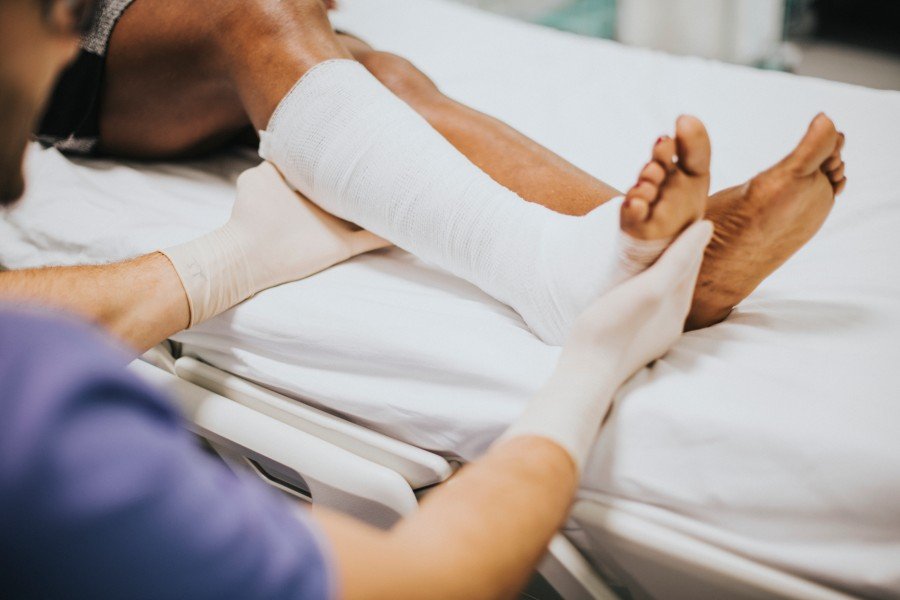
A fracture can happen after a fall, road accident, sports injury, or even a sudden twisting movement. While some fractures are obvious, others may initially look like a severe sprain. Knowing the warning signs can help you seek Fracture Treatment in Tronica City at the right time and reduce the risk of complications during healing. A professional evaluation is especially important when there is significant pain, swelling, deformity, or difficulty moving the affected body part. Prompt assessment can help determine whether the bone is fractured and what type of treatment may be appropriate.
For more information, check here on WhatsApp.
Professional fracture treatment may be needed when an injury causes severe or persistent pain, swelling, bruising, deformity, difficulty moving the limb, or inability to bear weight. An orthopaedic evaluation and imaging, such as an X-ray, can confirm the injury and guide treatment with immobilization, reduction, surgery, or rehabilitation when required.
What Are the Common Signs of a Fracture?
Not every fracture produces the same symptoms. Some may cause immediate and intense discomfort, while others may be harder to recognize.
Common signs include:
- Severe pain at or around the injured area
- Swelling and bruising
- Tenderness when the area is touched
- Difficulty moving a joint or limb
- Inability to put weight on an injured leg or foot
- A limb appearing shorter, bent, or positioned abnormally
- A grinding or snapping sensation at the time of injury
- Reduced strength or function of the affected body part
However, symptoms alone cannot reliably confirm a fracture. A significant injury should be medically assessed when a fracture is suspected.
When Should You Seek Fracture Treatment in Tronica City?
It is advisable to seek professional assessment after an injury if pain or swelling is substantial, movement is restricted, or the affected area looks abnormal.
1. Severe or Increasing Pain
Pain that is intense immediately after an injury or continues to worsen deserves medical attention. Fractures can cause considerable pain, particularly when the injured bone is moved or pressure is applied.
Do not repeatedly move the injured area to “test” whether it is broken. Keeping it as still as reasonably possible until medical assessment is safer.
2. Visible Deformity
An unusual bend, change in shape, or obvious displacement of a limb can indicate a fracture. A bone that has moved out of its normal alignment may require specialist treatment.
Do not attempt to straighten the limb yourself. Immobilize it gently and seek urgent medical care.
3. Inability to Walk or Use the Limb
If you cannot bear weight after an ankle, leg, or foot injury, or cannot use your arm normally after a fall or impact, professional evaluation is appropriate.
A person may sometimes still be able to move a fractured limb, so the ability to move it does not necessarily rule out a fracture.
4. Significant Swelling or Bruising
Swelling often develops after injuries involving bones, joints, muscles, and soft tissues. Extensive swelling, especially when accompanied by severe pain or restricted movement, should be evaluated.
Early assessment can help distinguish a fracture from other injuries and determine whether imaging is required.
5. Numbness, Tingling, or Changes in Skin Colour
Numbness, persistent tingling, unusual coldness, or pale or bluish skin below an injury can indicate that nerves or blood vessels may be affected.
These symptoms require prompt medical attention. Do not wait for them to resolve on their own, particularly after a major injury.
How Is a Fracture Diagnosed?
A doctor generally begins with a physical examination and asks how the injury occurred. They may assess pain, swelling, tenderness, movement, circulation, and nerve function.
An X-ray is commonly used to identify many fractures. Depending on the injury and the information needed, additional imaging such as CT or MRI may sometimes be recommended.
The evaluation also considers the fracture’s location, alignment, severity, and whether nearby joints or soft tissues are involved.
What Does Fracture Treatment Involve?
Treatment depends on the type and location of the fracture, whether the bone has moved out of alignment, and the person’s overall circumstances.
Common approaches include:
- Immobilization: A cast, splint, or brace may help keep the bone stable while it heals.
- Reduction: If bone fragments are displaced, a clinician may need to restore their alignment.
- Surgery: Certain complicated, unstable, displaced, or open fractures may require surgical fixation using appropriate implants.
- Rehabilitation: Physiotherapy and guided exercises may help restore movement, strength, balance, and function after immobilization or surgery.
The treatment plan should be based on professional assessment rather than the severity of pain alone.
What Should You Do Before Reaching Medical Care?
If you suspect a fracture, keep the injured area still and avoid unnecessary movement. If possible, support or immobilize it in the position found rather than trying to straighten it.
For swelling, a wrapped cold pack may be used briefly, provided it does not cause excessive pressure or numbness. Avoid placing ice directly on the skin.
For an obvious open fracture or severe injury, cover the wound with a clean dressing without pushing the exposed bone back inside. Seek urgent medical attention.
Why Timely Evaluation Matters
Delaying assessment after a significant injury can make it harder to identify the exact problem and plan appropriate care. Some fractures can heal improperly if alignment and stability are not adequately managed.
This does not mean every suspected fracture requires surgery. Many fractures can be managed without an operation. The appropriate approach depends on clinical examination and imaging findings.
If you have sustained an injury around Tronica City, an orthopaedic evaluation can help clarify whether you need further imaging, immobilization, specialist treatment, or follow-up care.
5 FAQs
Frequently Asked Questions
1. Can you have a fracture without severe pain?
Yes, some fractures may cause relatively mild pain, particularly certain stress fractures or stable injuries. However, pain level alone cannot determine whether a bone is fractured. Persistent tenderness, swelling, difficulty using the affected area, or pain after an injury should be assessed by a healthcare professional.
2. Do all fractures require surgery?
No, many fractures can be treated without surgery. Depending on the injury, treatment may involve a splint, cast, brace, or other form of immobilization. Surgery may be considered when a fracture is significantly displaced, unstable, open, or otherwise unlikely to heal properly with non-surgical treatment.
3. When should I get an X-ray after an injury?
You should seek medical assessment when you have significant pain, swelling, deformity, tenderness over a bone, difficulty bearing weight, or impaired use of the injured limb. A doctor can determine whether an X-ray or another imaging test is appropriate based on the examination and injury mechanism.
4. What should I do if I suspect a broken bone in Tronica City?
Keep the injured area as still as possible and avoid trying to straighten or reposition it. Support the area gently if appropriate and seek medical evaluation. If there is an open wound, significant deformity, numbness, loss of circulation, or severe trauma, seek urgent medical care.
5. How long does it take for a fracture to heal?
Healing time varies according to the bone involved, fracture pattern, severity, age, overall health, and treatment. Some fractures heal over several weeks, while more complicated injuries can take longer. Follow-up appointments and rehabilitation may be needed to monitor healing and restore normal function.
Conclusion
Recognizing the warning signs of a fracture can help you seek appropriate care without unnecessary delay. Severe pain, significant swelling, visible deformity, difficulty using a limb, inability to bear weight, or changes in sensation should not be ignored after an injury. Professional evaluation can determine whether an X-ray or other imaging is needed and whether the injury can be managed with immobilization, reduction, surgery, or rehabilitation. If you suspect a fracture after an accident or fall, Fracture Treatment in Tronica City should begin with a proper medical assessment rather than self-treatment. Contact Aadvika Multispeciality Hospital for evaluation and follow the recommended treatment and follow-up plan to support safe recovery.