
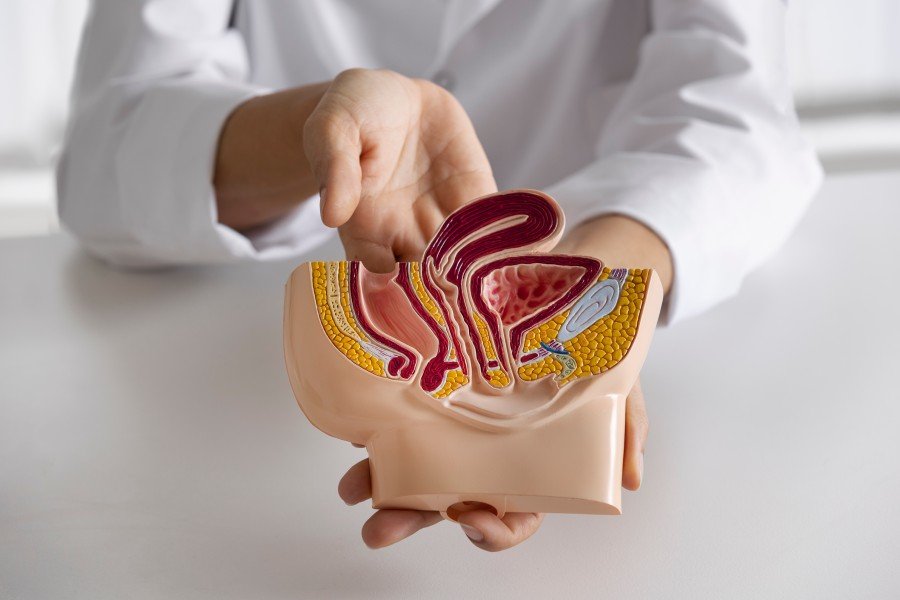
A urinary tract infection (UTI) can cause burning while urinating, frequent urges to pass urine, lower abdominal discomfort, or changes in urine appearance. Although some UTIs remain limited to the bladder, an untreated infection can sometimes spread to the kidneys. Understanding the symptoms and getting timely medical advice can help prevent complications. If you are looking for Urinary Infection Treatment in Loni, knowing how doctors evaluate and manage UTIs is an important first step. UTIs can affect people of any age, although women experience them more frequently. Men, older adults, children, pregnant women, and people with certain urinary or medical conditions may require particular attention when symptoms develop.
For more information, check here on WhatsApp.
Urinary Infection Treatment in Loni usually begins with a medical assessment and, when appropriate, urine testing to confirm infection and identify the likely cause. Doctors may recommend antibiotics for bacterial UTIs, along with adequate fluids and symptom management. Treatment depends on the patient’s symptoms, medical history, test results, and whether the infection involves the kidneys.
What Is a Urinary Tract Infection?
A urinary tract infection occurs when microorganisms, most commonly bacteria, enter and multiply within parts of the urinary system. The infection may involve the:
- Urethra
- Bladder
- Ureters
- Kidneys
Most uncomplicated UTIs affect the bladder and are commonly called cystitis. When the infection reaches the kidneys, it can become more serious and may cause fever, chills, nausea, vomiting, or pain in the back or side.
Because different conditions can cause similar urinary symptoms, doctors do not always rely on symptoms alone when deciding on treatment.
Common Symptoms of a UTI
Recognizing possible UTI symptoms can help you decide when to seek medical advice. Common symptoms include:
- Burning or pain during urination
- A frequent urge to urinate
- Passing small amounts of urine frequently
- Pressure or discomfort in the lower abdomen
- Cloudy or unusually strong-smelling urine
- Blood in the urine
- Pelvic discomfort
However, symptoms can vary between individuals. Older adults, children, and people with other health conditions may present differently.
When UTI Symptoms Need Prompt Medical Attention
Seek medical evaluation promptly if urinary symptoms occur along with fever, chills, vomiting, significant weakness, or pain in the back or side. These symptoms can indicate that an infection has moved beyond the bladder.
Pregnant women should also contact their healthcare provider if they develop symptoms suggestive of a UTI, because urinary infections during pregnancy require appropriate assessment and management.
How Doctors Diagnose a Urinary Infection
A proper diagnosis helps determine whether symptoms are actually caused by a UTI and whether treatment is necessary.
Medical History and Physical Assessment
The doctor may ask about your symptoms, their duration, previous UTIs, medications, allergies, pregnancy status where relevant, and any underlying health conditions.
They may also assess symptoms that could suggest a more complicated infection, such as kidney involvement.
Urine Testing
A urinalysis can provide information about signs of inflammation or infection in the urine. Depending on the situation, a doctor may also recommend a urine culture.
A urine culture can help identify the bacteria responsible for an infection and determine which antibiotics are likely to work. It becomes particularly useful in recurrent, complicated, or persistent infections.
How Urinary Infection Treatment Is Managed
Treatment depends on the type and severity of the infection. Doctors consider factors such as the patient’s age, symptoms, pregnancy status, medical history, previous infections, and test findings.
Antibiotics for Bacterial UTIs
Bacterial UTIs are commonly treated with antibiotics. The specific medicine and duration depend on the individual case.
Patients should take antibiotics exactly as prescribed. Avoid starting leftover antibiotics or taking medicine prescribed for someone else. Inappropriate antibiotic use can contribute to antimicrobial resistance and may also delay proper diagnosis.
If symptoms do not improve as expected or return soon after treatment, further medical evaluation may be necessary.
Fluids and Symptom Relief
Adequate fluid intake may help maintain normal urine production, unless a doctor has advised you to restrict fluids because of another medical condition.
Doctors may also recommend appropriate measures to manage discomfort. However, symptom relief does not necessarily eliminate the underlying infection, so persistent symptoms should not be ignored.
Who May Need Additional Evaluation?
Not every UTI follows the same pattern. Additional assessment may be appropriate for people with:
- Recurrent urinary infections
- Kidney or urinary tract abnormalities
- Kidney stones
- Difficulty emptying the bladder
- Diabetes or other conditions affecting immunity
- Pregnancy
- Symptoms suggesting kidney infection
- Persistent or unusual urinary symptoms
In some cases, doctors may recommend additional investigations to understand why infections keep returning.
Recurrent UTIs: Why Do They Happen?
Some people experience UTIs repeatedly. Recurrent infections can have several contributing factors, including changes in urinary habits, certain anatomical factors, incomplete bladder emptying, sexual activity, urinary stones, or other underlying conditions.
If infections keep returning, simply treating each episode without looking for contributing factors may not be enough. A doctor can review the pattern and decide whether urine cultures or additional evaluation would be useful.
How Can You Reduce the Risk of UTIs?
Although not every UTI can be prevented, several everyday measures may support urinary health:
- Drink an appropriate amount of water unless medically restricted.
- Avoid regularly holding urine for long periods.
- Maintain good personal hygiene.
- Wipe from front to back after using the toilet.
- Empty the bladder after sexual activity if this is recommended for you.
- Follow medical advice if you have recurrent infections.
- Avoid taking antibiotics without professional guidance.
These steps can support prevention, but they cannot replace medical treatment when an infection is already present.
Why Timely Medical Care Matters
A UTI may appear to be a minor problem, particularly when symptoms are limited to burning or frequent urination. However, symptoms can sometimes overlap with other urinary conditions.
For example, bladder irritation, vaginal infections, sexually transmitted infections, kidney stones, and certain prostate conditions can produce some similar symptoms. That is why self-diagnosis may not always be reliable.
If symptoms persist, become severe, or repeatedly return, professional evaluation can help identify the underlying problem and guide appropriate treatment.
Frequently Asked Questions
1. What are the first signs of a urinary tract infection?
The first signs often include burning or discomfort while urinating, frequent urination, and a strong urge to urinate even when little urine passes. Some people also experience lower abdominal discomfort or changes in urine appearance. Symptoms vary, so persistent or worsening urinary problems should be evaluated by a healthcare professional.
2. Can a UTI go away without antibiotics?
Some mild urinary symptoms may improve, but a suspected bacterial UTI should not be assumed to resolve without medical assessment. Antibiotics may be necessary depending on the infection and the patient’s risk factors. Delaying appropriate care can be particularly concerning when symptoms suggest kidney involvement or occur during pregnancy.
3. When should I seek urinary infection treatment in Loni?
Consider seeking medical care when you develop persistent burning during urination, frequent urination, blood in the urine, or recurring urinary symptoms. Prompt attention is especially important if you also have fever, chills, vomiting, or pain in your back or side, as these can indicate a more significant infection.
4. What tests are used to diagnose a UTI?
Doctors commonly use a urinalysis to look for signs associated with infection. A urine culture may also be recommended, particularly for recurrent, complicated, or persistent infections. The doctor decides which tests are appropriate based on symptoms, medical history, risk factors, and response to previous treatment.
5. Can urinary infections keep coming back?
Yes, some people experience recurrent UTIs. Repeated infections may have contributing factors such as incomplete bladder emptying, urinary stones, anatomical issues, or other medical conditions. When infections recur, a doctor may review previous test results and consider urine culture or further evaluation rather than treating every episode in isolation.
Conclusion
Urinary symptoms should not always be dismissed as a minor inconvenience. Burning urination, frequent urges, lower abdominal discomfort, or changes in urine can indicate a UTI, but similar symptoms may also occur with other urinary conditions. Proper assessment helps doctors determine the likely cause and choose appropriate management.
If you are searching for Urinary Infection Treatment in Loni, timely medical consultation can be especially important when symptoms persist, recur, or occur with fever, vomiting, blood in the urine, or back or side pain. Avoid self-medicating with leftover antibiotics and follow the treatment plan recommended by your healthcare professional. For persistent or concerning urinary symptoms, consider consulting a Aadvika Multispeciality Hospital for appropriate evaluation.